Cervical spondylosis: neck pain you can manage well.
Cervical spondylosis is the name for age-related changes in the joints and discs of the neck. The changes are very common, and many people who have them on an X-ray have no pain at all.
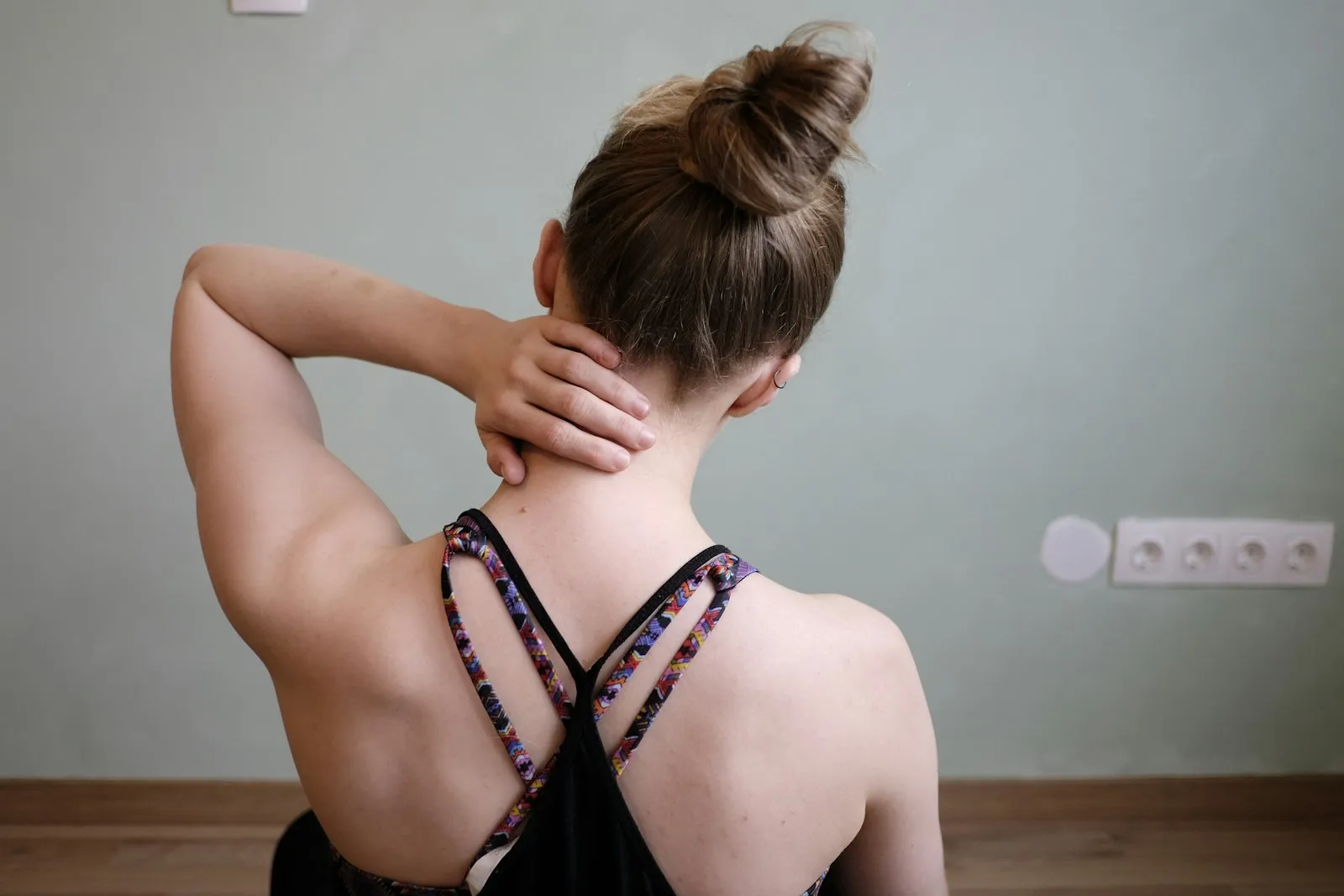 Photo: GMB Fitness / Unsplash
Can cervical spondylosis be cured permanently?
The age-related changes of cervical spondylosis cannot be reversed, but the pain and stiffness usually can be managed well. Most people improve with neck and shoulder strengthening, posture and work-set-up changes, and hands-on care. At GetFysio in Koramangala, Bengaluru, we build a plan that eases pain now and keeps the neck strong so flare-ups are less frequent.
Clinically reviewed by Dr. Saritha Gade PT, Founder & Clinical Director ·
Cervical spondylosis, in plain words.
Cervical spondylosis describes changes in the discs and small joints of the neck that come with age, much like grey hair. On their own, the changes do not always cause pain.
When the neck does become painful, the cause is usually a mix of stiffness, weak supporting muscles and long hours in one position, all of which physiotherapy can help with.
Common symptoms
- Neck pain and stiffness, often worse in the morning or after screen time
- Pain spreading to the shoulder blades or the back of the head
- Headaches that start in the neck
- Grinding or clicking when you turn your head
- Pain, pins and needles or numbness spreading into one arm
Causes and risk factors.
What makes it more likely
- Age: changes in the neck discs and joints are common after 40
- Long hours looking down at a laptop or phone
- Previous neck injuries, such as whiplash
- Jobs or activities that load the neck repeatedly
- Weak neck and upper back muscles
See a doctor or physiotherapist promptly if you have
- Weakness in an arm or hand, or dropping things
- Clumsy hands, difficulty with buttons, or problems with balance or walking
- Neck pain after a fall, accident or blow to the head
- Neck pain with fever, unexplained weight loss or severe night pain
Exercises and tips to start with.
General advice for mild symptoms. Stop any exercise that causes sharp or spreading pain, and book an assessment if things are not improving within two to three weeks.
- 01
Chin tucks
Sit tall and gently slide your chin straight back, as if making a double chin, without tipping your head. Hold for five seconds and repeat 10 times, a few times a day.
- 02
Shoulder blade squeezes
Sit or stand tall and gently draw your shoulder blades back and down. Hold for five seconds and repeat 10 times, especially during long desk sessions.
- 03
Gentle neck turns
Slowly turn your head to look over one shoulder, then the other, staying within comfort. Repeat five times each way, several times a day.
- 04
Screen at eye level
Raise your laptop or monitor so the top of the screen is at eye level, and take a short movement break every 30 to 45 minutes.
Three parts, one plan.
- 01
Assess the whole neck
We check neck movement, strength and the nerves to the arms, and look at your posture, work set-up and sleep, so we know what is driving the pain.
- 02
Ease pain and stiffness
Hands-on care, joint mobilisation and, where it helps, electrotherapy or high-intensity laser therapy to settle pain so you can move more comfortably.
- 03
Strengthen and protect
Neck and upper back strengthening, a better desk set-up and a short daily routine that helps keep flare-ups less frequent.
- Electrotherapy (TENS and IFT)Gentle electrical currents for pain relief.
- High-intensity laser therapyFocused light to ease pain and inflammation.
- Manual therapy on the Manuthera tableHands-on joint and soft-tissue treatment, with precise traction.
- Dry needlingFine needles to release tight, tender muscle knots.
Only when your assessment shows it will help, and always alongside exercise.
What recovery usually looks like.
Everyone is different. After your assessment we will give you your own estimate, and review it as you progress.
- Weeks 1–2
Settle the pain, adjust your desk set-up and start gentle movement.
- Weeks 2–8
Build neck and upper back strength and improve movement.
- 2 months +
Keep up a short routine at home. We review flare-ups with you if they happen.
Cervical spondylosis: common questions.
What is cervical spondylosis?
Cervical spondylosis is the term for age-related wear in the discs and joints of the neck. It is very common after 40 and often causes no symptoms, but it can cause neck pain, stiffness and sometimes arm symptoms.
What are the symptoms of cervical spondylosis?
The most common symptoms of cervical spondylosis are neck pain and stiffness, pain spreading to the shoulder blades and headaches that start in the neck. Pain, tingling or weakness in an arm can mean a nerve is involved and should be checked.
Do I need an X-ray or MRI for cervical spondylosis?
Usually not. Most neck pain is diagnosed and treated without scans. An MRI is useful if there is arm weakness, problems with balance or hand control, or pain that is not improving with treatment.
Is a cervical collar helpful?
Not for most people. A soft collar may help for a day or two after a flare-up, but wearing one for longer weakens the neck muscles. Gentle movement is usually better.
Which pillow is best for cervical spondylosis?
The best pillow keeps your neck level with the rest of your spine, whether you sleep on your back or your side. A medium-height, supportive pillow suits most people.
Sources
- Cervical spondylosis · NHS
This page is general information from GetFysio physiotherapists, not a diagnosis or a substitute for an assessment. If you are worried about your symptoms, see a physiotherapist or doctor.
Ready to get moving?
Book an assessment for cervical spondylosis in Koramangala. We will find the cause and give you a clear plan.